
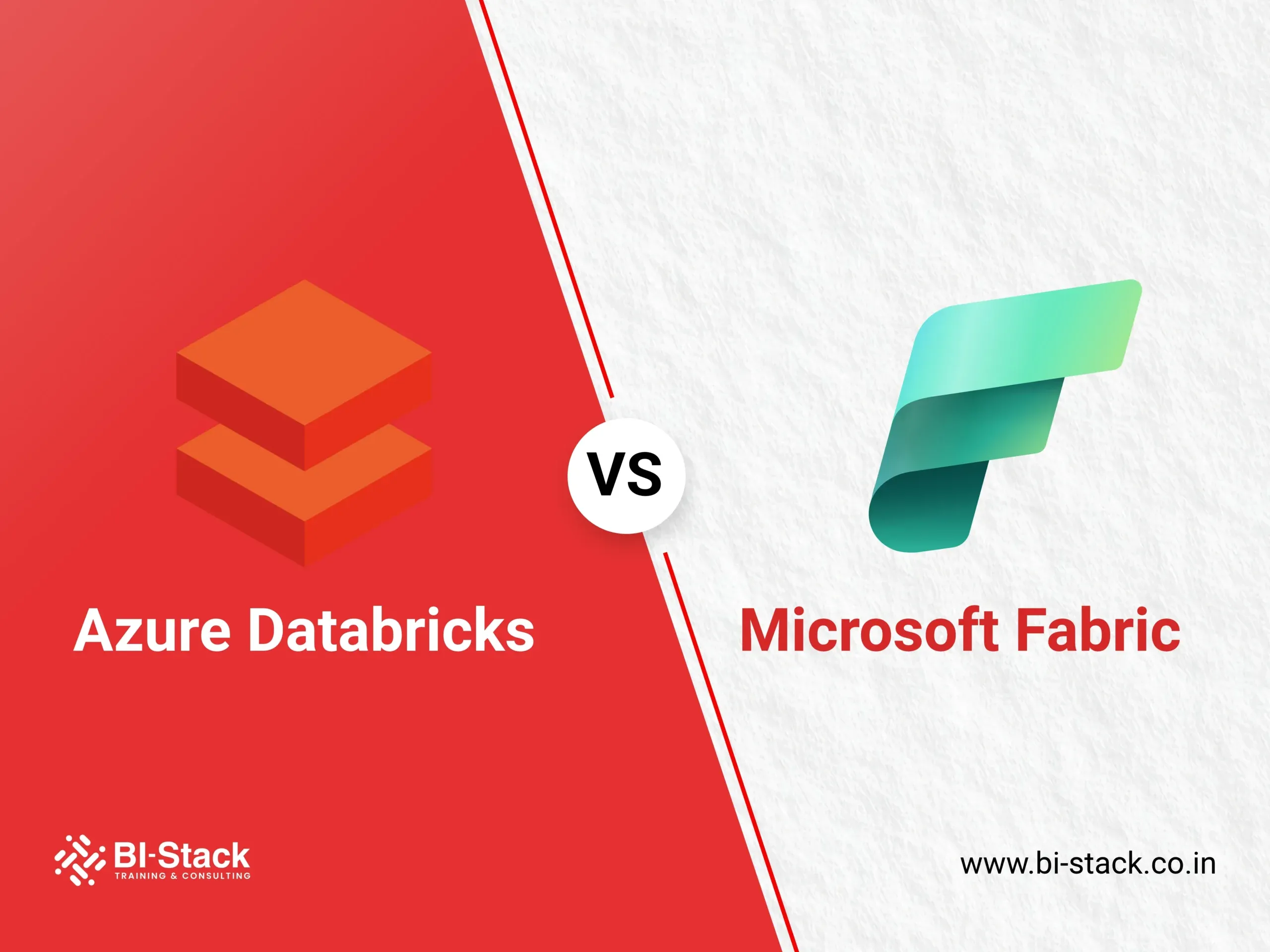
Azure Databricks and Microsoft Fabric are two major platforms used for modern data engineering, analytics and lakehouse solutions in the Microsoft Azure ecosystem. But which one should a data engineer learn—Azure Databricks, Microsoft Fabric, or both?
The short answer is: Azure Databricks is particularly strong for Spark-based data engineering, large-scale data processing, advanced lakehouse architectures, streaming, data science and AI workloads, while Microsoft Fabric provides a highly integrated SaaS analytics environment covering data integration, data engineering, warehousing, real-time analytics and Power BI.
For many data engineers, the right long-term strategy is therefore not necessarily Databricks OR Fabric, but understanding Databricks AND Fabric, including how the two platforms can work together.
This guide compares Azure Databricks and Microsoft Fabric from a data engineer’s perspective.
What Is Azure Databricks?
Azure Databricks is a unified data and analytics platform built around lakehouse architecture and technologies such as Apache Spark and Delta Lake.
Data engineers can use Azure Databricks to ingest, transform and process large volumes of structured, semi-structured and unstructured data.
Important Azure Databricks technologies and concepts for data engineers include:
- Apache Spark
- PySpark
- Spark SQL
- Delta Lake
- Databricks notebooks
- Lakeflow
- Batch processing
- Structured Streaming
- Lakehouse architecture
- Medallion architecture
- Unity Catalog
- Databricks Jobs
- Workflow orchestration
- Data governance
- Performance optimization
Azure Databricks is particularly valuable when organizations require scalable engineering capabilities across data engineering, analytics, machine learning and AI.
What Is Microsoft Fabric?
Microsoft Fabric is Microsoft’s end-to-end SaaS analytics platform.
Instead of requiring organizations to assemble multiple independent analytics services, Fabric provides integrated workloads for areas such as:
- Data Factory
- Data Engineering
- Data Warehouse
- Data Science
- Real-Time Intelligence
- Databases
- Power BI
A central component of Microsoft Fabric is OneLake, which provides a unified data lake for Fabric workloads.
From a data engineering perspective, Fabric allows engineers to build lakehouses, create data pipelines, use notebooks, process data using Apache Spark and build data solutions that integrate closely with downstream analytics and Power BI.
Azure Databricks vs Microsoft Fabric: Quick Comparison
| Area | Azure Databricks | Microsoft Fabric |
|---|---|---|
| Primary positioning | Data, analytics and AI platform | End-to-end SaaS analytics platform |
| Data engineering | Excellent | Excellent |
| Apache Spark | Core platform capability | Available through Fabric Data Engineering |
| Python / PySpark | Strong | Strong |
| SQL | Strong | Strong |
| Lakehouse | Yes | Yes |
| Storage architecture | Commonly cloud object storage + Delta Lake | OneLake |
| Governance | Unity Catalog | Fabric/OneLake governance capabilities |
| Data pipelines | Lakeflow and Jobs | Data Factory pipelines and Fabric orchestration |
| BI integration | Integrates with Power BI | Power BI is part of Fabric |
| Data warehouse | Databricks SQL | Fabric Data Warehouse |
| Machine learning / AI | Major strength | Integrated Data Science and AI capabilities |
| Streaming | Structured Streaming and related capabilities | Real-Time Intelligence plus Spark capabilities |
| Platform model | Data + AI platform | Unified SaaS analytics platform |
| Good fit | Complex engineering, Spark, data/AI workloads | Microsoft-centric end-to-end analytics |
The exact choice should depend on architecture, existing technology stack, team skills, governance requirements and workload characteristics.
Data Engineering in Azure Databricks
Azure Databricks provides an extensive environment for building production data-engineering solutions.
A typical architecture may look like:
Source Systems → Data Ingestion → Lakehouse → Bronze → Silver → Gold → Analytics / ML / AI
Data engineers can use PySpark, Spark SQL and Delta Lake to process large datasets and implement transformation logic.
Medallion Architecture in Databricks
A common Databricks data-engineering pattern is the Medallion Architecture.
Bronze Layer
Stores raw or minimally processed source data.
Silver Layer
Contains cleaned, validated and transformed data.
Gold Layer
Contains business-ready and aggregated datasets for analytics, reporting, machine learning and other downstream applications.
This architecture helps engineers progressively improve data quality as data moves through the lakehouse.
Azure Databricks Skills for Data Engineers
Someone learning Azure Databricks for data engineering should consider developing skills in:
Python → SQL → PySpark → Apache Spark → Delta Lake → Lakehouse → Medallion Architecture → Lakeflow → Streaming → Unity Catalog → Performance Optimization
Understanding only Databricks notebooks is not sufficient for advanced data-engineering roles.
Data Engineering in Microsoft Fabric
Microsoft Fabric approaches data engineering as part of a broader integrated analytics platform.
A typical Fabric architecture can look like:
Source Systems → Data Factory → OneLake → Fabric Lakehouse → Data Engineering → Semantic Model → Power BI
Depending on the architecture, organizations may also use Fabric Data Warehouse, Real-Time Intelligence and other Fabric workloads.
OneLake
OneLake is a fundamental concept for anyone learning Microsoft Fabric.
It provides a unified logical data lake across a Fabric tenant.
Instead of different analytics workloads maintaining isolated copies of data, Fabric is designed so multiple workloads can work with data stored or exposed through OneLake.
Fabric Lakehouse
Microsoft Fabric provides a Lakehouse experience for data-engineering and analytics workloads.
Data engineers can work with:
- Lakehouse
- Delta tables
- Spark
- SQL
- Notebooks
- Pipelines
- Dataflows
- Shortcuts
- OneLake
This makes Fabric particularly interesting for organizations that want data engineering and business intelligence to operate within an integrated Microsoft analytics ecosystem.
Azure Databricks vs Fabric: Apache Spark
Both platforms support Apache Spark, but their positioning differs.
Azure Databricks has Spark at the heart of its data and AI platform and provides an extensive environment for Spark-based engineering and processing.
Microsoft Fabric also provides Spark through its Data Engineering workload, including notebooks and Spark job definitions.
For a data engineer who wants deep expertise in Spark, PySpark and large-scale distributed processing, Azure Databricks is an important platform to understand.
For an engineer working across data ingestion, engineering, warehousing and Power BI in a Microsoft-centric environment, Fabric’s integrated approach can be particularly attractive.
Azure Databricks vs Fabric: Lakehouse
Both Azure Databricks and Microsoft Fabric support the lakehouse architectural pattern.
A lakehouse combines characteristics traditionally associated with data lakes and data warehouses.
Azure Databricks builds its lakehouse capabilities around technologies including Delta Lake, Spark and Unity Catalog.
Microsoft Fabric provides its Fabric Lakehouse on OneLake and supports both Spark and SQL-based access.
Therefore, understanding lakehouse architecture is valuable regardless of which platform a data engineer chooses.
Azure Databricks vs Fabric: Data Ingestion and Pipelines
Data engineering starts with getting data from source systems into the analytics platform.
In Azure Databricks, engineers can work with capabilities such as Lakeflow Connect, Lakeflow Pipelines and Lakeflow Jobs for ingestion, transformation and orchestration.
Microsoft Fabric provides Data Factory capabilities for data integration and pipelines as part of the Fabric environment.
This means learners should understand more than just data transformation. A complete data-engineering skill set should cover:
Ingestion → Transformation → Orchestration → Storage → Governance → Monitoring → Consumption
Azure Databricks vs Fabric: Power BI Integration
This is an area where Microsoft Fabric has an important architectural advantage for organizations heavily invested in Power BI.
Power BI is a native workload within the broader Microsoft Fabric platform.
Fabric can therefore provide an integrated path across:
Data Ingestion → OneLake → Data Engineering → Data Warehouse/Lakehouse → Semantic Models → Power BI
Azure Databricks also integrates with Power BI and is widely used as a data and analytics platform upstream of BI.
A common enterprise architecture can therefore involve:
Azure Databricks → Power BI
or
Azure Databricks → OneLake / Fabric → Power BI
depending on the organization’s architecture.
Azure Databricks vs Fabric: Governance
Governance is increasingly important for modern data platforms.
Azure Databricks uses Unity Catalog to provide centralized governance capabilities for data and AI assets.
Microsoft Fabric provides governance capabilities around its unified Fabric and OneLake environment.
Data engineers should understand concepts such as:
- Data ownership
- Access control
- Workspace security
- Catalogs
- Schemas
- Tables
- Lineage
- Data discovery
- Data governance
- Secure data sharing
These skills become increasingly important as engineers progress toward Senior Data Engineer, Data Platform Engineer and Data Architect roles.
Do Azure Databricks and Microsoft Fabric Compete?
Yes, there is overlap between the two platforms, particularly in data engineering, lakehouse, analytics, Spark and AI-related workloads.
However, it is a mistake to think that organizations must always select one platform and completely exclude the other.
Microsoft supports integration between Azure Databricks and Microsoft Fabric.
For example, organizations can expose Databricks-managed data to Fabric and use integration patterns involving Unity Catalog and OneLake.
This creates architectures where Databricks can handle specialized data-engineering or AI workloads while Fabric provides integrated analytics, warehousing and Power BI capabilities.
Therefore, modern data engineers should understand both the areas where these platforms compete and the scenarios where they complement each other.
Which Is Better for Data Engineering: Azure Databricks or Microsoft Fabric?
There is no universal answer.
Consider Azure Databricks when:
- You need advanced Spark-based data engineering.
- Your workloads involve large-scale data processing.
- PySpark is an important engineering skill.
- You have complex batch or streaming requirements.
- Data engineering, data science and AI need to work closely together.
- Your architecture is heavily based on lakehouse patterns.
- You require advanced engineering flexibility.
Consider Microsoft Fabric when:
- Your organization is heavily invested in Microsoft technologies.
- Power BI is a major analytics platform.
- You want an integrated SaaS analytics environment.
- You want data engineering, data integration, warehousing and BI within one platform.
- OneLake is central to your data architecture.
- Your organization wants to reduce integration between separate analytics services.
Consider learning both when:
You are building a long-term career in Azure data engineering or data architecture.
The technologies increasingly overlap and can also integrate with each other.
Which Should I Learn First: Databricks or Microsoft Fabric?
For someone starting a career specifically in data engineering, a useful learning path is:
SQL → Python → Data Engineering Fundamentals → Azure → Data Factory → Databricks → PySpark → Delta Lake → Microsoft Fabric
However, your existing experience matters.
If you are already a Power BI Developer
Microsoft Fabric may initially feel more familiar because Power BI is part of the Fabric ecosystem.
You can progress through:
Power BI → Fabric → OneLake → Lakehouse → Data Factory → Spark → Data Engineering
After understanding these concepts, learning Databricks can significantly deepen your Spark and large-scale data-engineering knowledge.
If you are already an Azure Data Engineer
Databricks is an important skill to develop, particularly if your projects involve Spark, PySpark, Delta Lake or large-scale lakehouse architectures.
Microsoft Fabric should then be added to understand Microsoft’s broader modern analytics platform.
If you want to become a Data Architect
Learn both.
A Data Architect should understand the strengths, limitations and integration patterns of different platforms rather than being restricted to a single technology.
You should be able to determine when to use:
Azure Data Factory + ADLS + Databricks + Power BI
and when to consider:
Microsoft Fabric + OneLake + Data Factory + Lakehouse/Warehouse + Power BI
as well as when a hybrid Databricks + Fabric architecture is appropriate.
Azure Databricks vs Microsoft Fabric for Career Growth
From a career perspective, avoid thinking only in terms of individual tools.
Companies hire data engineers to solve problems such as:
- Data ingestion
- Data transformation
- Data quality
- Large-scale processing
- Pipeline orchestration
- Lakehouse implementation
- Data modeling
- Security
- Governance
- Performance optimization
- Monitoring
- Analytics integration
Databricks and Fabric are platforms used to solve these problems.
A stronger career strategy is therefore to understand the data-engineering concepts first and the platforms second.
Skills to Learn for a Modern Azure Data Engineer
A strong Microsoft-oriented data-engineering skill set can include:
SQL + Python + Azure + Azure Data Factory + Azure Databricks + PySpark + Apache Spark + Delta Lake + Microsoft Fabric + OneLake + Power BI + Git + CI/CD
More experienced engineers should also understand:
Data Modeling + Lakehouse Architecture + Medallion Architecture + Security + Governance + Performance Optimization + DevOps + Data Architecture
This creates a broader skill profile than specializing in a single product.
Frequently Asked Questions
Is Microsoft Fabric replacing Azure Databricks?
Microsoft Fabric and Azure Databricks have overlapping capabilities, but they are separate platforms with different strengths. They can also be integrated within the same enterprise data architecture.
Is Databricks better than Microsoft Fabric for data engineering?
Databricks is particularly strong for advanced Spark-based engineering and large-scale data and AI workloads. Fabric provides data engineering as part of a broader integrated SaaS analytics platform. The better option depends on the organization’s requirements and architecture.
Does Microsoft Fabric use Apache Spark?
Yes. Microsoft Fabric Data Engineering supports Apache Spark through capabilities such as notebooks and Spark job definitions.
Does Microsoft Fabric support a lakehouse?
Yes. Microsoft Fabric provides a Lakehouse workload using OneLake and supports Delta-based data with Spark and SQL access.
Does Azure Databricks integrate with Microsoft Fabric?
Yes. Microsoft provides integration between Azure Databricks and Fabric, including integration involving Unity Catalog and OneLake.
Should a data engineer learn Databricks or Fabric?
Learning both can be valuable for data engineers working in the Microsoft ecosystem. Databricks provides deep Spark and lakehouse engineering capabilities, while Fabric provides an integrated environment spanning data engineering, integration, warehousing, real-time analytics and Power BI.
Which is easier for a Power BI developer to learn?
Microsoft Fabric can provide a natural progression for Power BI professionals because Power BI is integrated into the Fabric ecosystem. However, learning Databricks, Spark and PySpark can broaden the person’s capabilities toward more advanced data-engineering roles.
Is PySpark required for Microsoft Fabric?
Not for every Fabric workload. However, PySpark is valuable for engineers who want to use Fabric’s Spark-based data-engineering capabilities and develop deeper data-engineering expertise.
Final Verdict: Azure Databricks or Microsoft Fabric?
Azure Databricks is an excellent choice for organizations and engineers requiring sophisticated Spark-based data engineering, lakehouse, streaming, data science and AI capabilities.
The choice between Azure Databricks and Microsoft Fabric should be based on the problem being solved rather than simply asking which technology is better.
Microsoft Fabric is compelling for organizations looking for an integrated Microsoft SaaS analytics platform connecting data integration, data engineering, data warehousing, real-time analytics and Power BI through OneLake.
And increasingly, the answer can be both.
For data engineers, learning the underlying concepts—SQL, Python, Spark, data pipelines, Delta Lake, lakehouse architecture, data modeling, governance and cloud architecture—makes it much easier to work across both platforms.
For professionals building careers in Azure data engineering, developing skills across Azure Databricks and Microsoft Fabric can therefore provide a broader understanding of the modern Microsoft data ecosystem.